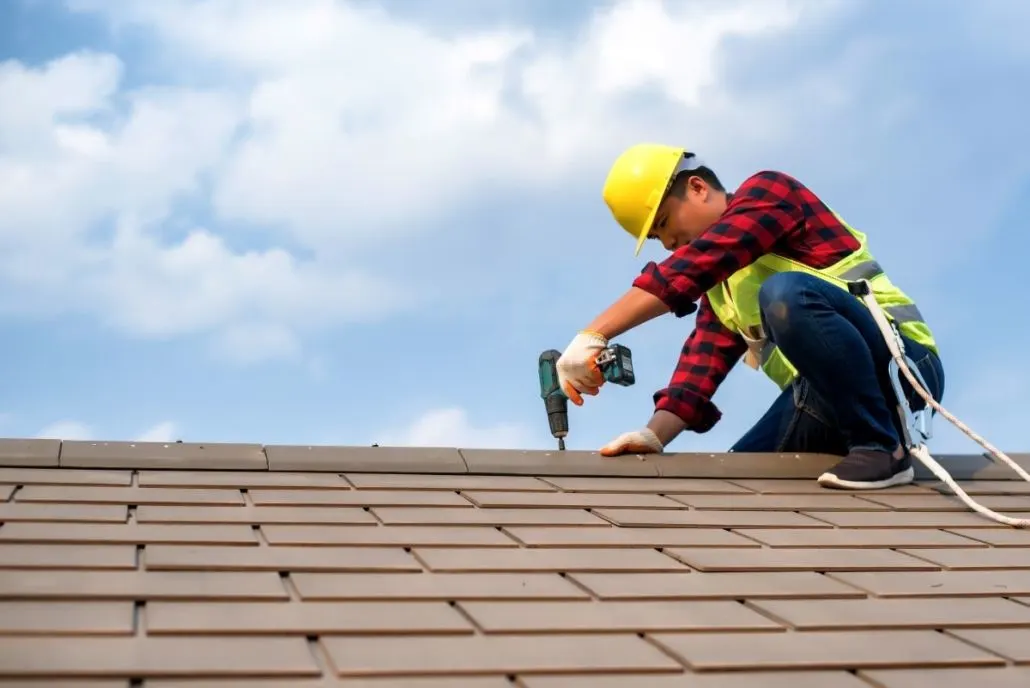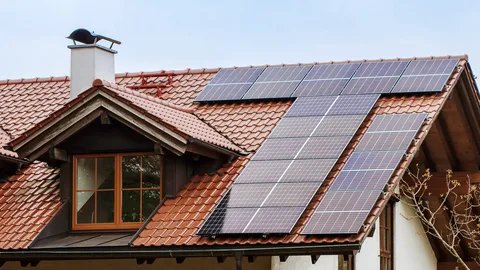
When it comes to roofing projects, safety isn’t just a priority—it’s a necessity. At Roofing Tampa FL, we understand that the Sunshine State’s unique climate, from scorching summer heat to sudden thunderstorms, adds layers of complexity to roofing work. Whether repairing storm-damaged shingles or installing a new roof on a commercial property, hazard identification and risk assessment are the cornerstones of our operations. By proactively addressing risks, we protect our team, clients, and community. In this comprehensive guide, we’ll explore how systematic hazard analysis, risk management, and awareness of common dangers create safer roofing environments.
1. Hazard Identification in Roofing: Building a Foundation for Safety
Roofing projects involve working at heights, handling heavy materials, and navigating unpredictable weather—all of which demand rigorous roofing hazard analysis. Identifying hazards on roofs isn’t just about compliance; it’s about fostering a culture of safety that prevents accidents before they occur.
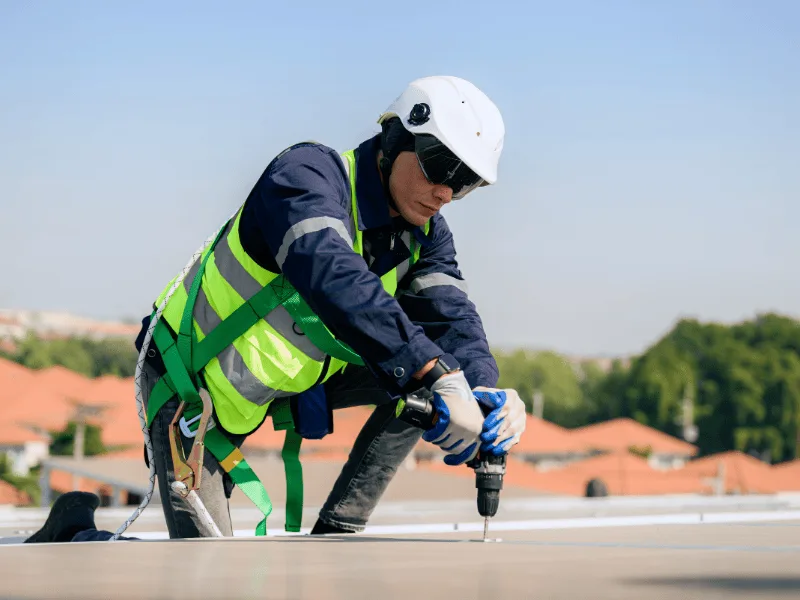
Key Steps in Roofing Hazard Analysis
-
Pre-Work Inspections
Before any project begins, our team conducts a thorough inspection of the worksite. This includes checking roof stability, identifying weak spots (e.g., rotting wood or corroded metal), and assessing access points like ladders or scaffolding.
-
Environmental Factors
Tampa’s weather plays a significant role. High temperatures increase the risk of heat exhaustion, while afternoon rains create slippery surfaces. We also monitor wind speeds, as gusts above 20 mph can destabilize workers and materials.
-
Material and Tool Risks
Sharp tools, pneumatic equipment, and heavy roofing materials (e.g., tiles, asphalt rolls) pose lifting, cutting, or impact hazards. Proper storage and handling protocols are enforced.
-
Electrical Hazards
Overhead power lines or poorly insulated equipment are common risks. Our teams maintain a 10-foot minimum distance from live wires and use fiberglass ladders to reduce electrocution risks.
At Roofing Tampa FL, we empower our crew with checklists and digital tools to document hazards in real time. For example, using mobile apps, team members can photograph unstable roof sections and share them instantly with supervisors. This proactive approach ensures that identifying hazards on roofs becomes a collaborative effort, not a reactive scramble.
Training and Communication
Regular safety training sessions keep our team updated on OSHA standards and best practices. We emphasize situational awareness—teaching workers to recognize subtle signs of danger, like cracks in roofing plywood or loose nails. By integrating roofing risk assessment into daily routines, we create a workforce that’s vigilant and prepared.
2. Risk Assessment for Roofing Projects: From Analysis to Action
Once hazards are identified, the next step is roofing project risk management. This process involves evaluating the likelihood and severity of each risk and implementing strategies to mitigate them.
Safety Risk Assessment Techniques
-
Job Safety Analysis (JSA)
- Breaking down tasks into steps (e.g., removing old shingles, installing underlayment) helps pinpoint where accidents could occur. For instance, a JSA might reveal that carrying bundles up a ladder requires a spotter or mechanical hoist.
-
SWOT Analysis
- Assessing strengths, weaknesses, opportunities, and threats related to a project. A strength could be an experienced crew, while a threat might be an approaching storm.
-
Hierarchy of Controls
- This framework prioritizes risk mitigation strategies:
- Elimination: Removing the hazard entirely (e.g., scheduling work during cooler hours to avoid heat stress).
- Substitution: Using safer alternatives (e.g., lightweight synthetic tiles instead of concrete).
- Engineering Controls: Installing guardrails, safety nets, or anchor points for harnesses.
- Administrative Controls: Training, signage, and rotating shifts to reduce fatigue.
- PPE: Helmets, non-slip boots, and fall arrest systems as a last line of defense.
Mitigating Risks in Roofing: Tampa-Specific Strategies
In Florida, hurricanes and tropical storms are a reality. Roofing Tampa FL incorporates wind uplift calculations into every project, ensuring materials meet Miami-Dade County’s rigorous wind resistance standards. We also:
- Use drones for roof inspections to reduce time spent on unstable surfaces.
- Implement “buddy systems” during peak heat (10 AM–4 PM) to monitor for heat-related illnesses.
- Store materials securely overnight to prevent wind-borne debris.
By aligning safety risk assessment techniques with local challenges, we turn potential disasters into manageable risks.
3. Common Hazards in Roofing: Awareness Saves Lives
Even with robust protocols, roofing remains one of construction’s most dangerous trades. Understanding roofing workplace hazards is the first step in preventing common accidents in roofing.
Top Hazards on Construction Sites
-
Falls from Heights
The leading cause of roofing fatalities. Unprotected edges, unstable scaffolding, and improper ladder use contribute to this risk. Solution: Guardrails, harnesses, and continuous training.
-
Slips and Trips
Wet surfaces, loose debris, or tangled extension cords can lead to devastating falls. Solution: Daily cleanup schedules and slip-resistant footwear.
-
Falling Objects
Tools or materials dropped from roofs endanger workers below. Solution: Secure tool tethers and designated drop zones marked with caution tape.
-
Electrical Exposure
Contact with live wires during metal roof installations. Solution: De-energize lines where possible and use insulated tools.
-
Heat Stress
Tampa’s average summer temperature of 90°F puts workers at risk. Solution: Hydration stations, shaded rest areas, and breathable clothing.
-
Chemical Exposure
Asphalt fumes and solvents can cause respiratory issues. Solution: Ventilation systems and OSHA-approved respirators.
Case Study: Preventing Common Accidents in Roofing
Last year, Roofing Tampa FL was hired to replace a storm-damaged roof on a historic home. During the hazard identification phase, we discovered brittle decking and active wasp nests under the eaves. By coordinating with pest control and reinforcing the decking before starting work, we avoided delays and potential injuries. This example underscores how proactive hazard analysis safeguards both timelines and lives.
Conclusion
At Roofing Tampa FL, hazard identification and risk assessment aren’t just paperwork—they’re the backbone of every project. By combining advanced techniques, local expertise, and a commitment to continuous improvement, we ensure that every roof we build or repair stands as a testament to safety and quality.
Whether you’re a homeowner seeking a leak-free roof or a business owner prioritizing OSHA compliance, trust Roofing Tampa FL to deliver results without compromising safety. Contact us today to schedule a risk-free consultation—because your peace of mind is our highest priority.