When it comes to roofing, sustainability isn’t just a buzzword—it’s a necessity. For homeowners and builders in Tampa, FL, understanding the intersection of regulations, certifications, and financial incentives is critical for creating durable, eco-friendly roofs that align with both environmental goals and legal requirements. At Roofing Tampa FL, we specialize in guiding clients through this complex landscape, ensuring their projects meet the highest standards of sustainability, compliance, and cost-efficiency. In this article, we’ll explore three key pillars of modern roofing: green building certifications, environmental regulations, and tax incentives.
1. Green Building Certifications for Roofs
Green building certifications are the gold standard for sustainable roofing. These programs validate that a roof meets rigorous environmental, energy-efficient, and durability benchmarks. For Tampa homeowners and contractors, pursuing these certifications not only supports eco-conscious goals but also ensures compliance with evolving industry standards.
LEED Certification for Roofs
The Leadership in Energy and Environmental Design (LEED) certification, developed by the U.S. Green Building Council, is one of the most recognized sustainability frameworks globally. For roofs, LEED emphasizes:
-
Energy Efficiency
Reflective roofing materials that reduce urban heat island effects.
-
Material Sustainability
Use of recycled or locally sourced components.
-
Water Management
Systems like green roofs or rainwater harvesting.
In Tampa’s tropical climate, LEED-certified roofs can significantly lower cooling costs by reflecting sunlight. Roofing Tampa FL helps clients select materials like cool roofing membranes or metal roofs with high solar reflectance indexes (SRI) to meet LEED criteria.
Energy Star Roofing
Energy Star, a program by the U.S. Environmental Protection Agency (EPA), certifies roofing products that excel in energy efficiency. Energy Star roofs must meet strict reflectance and emittance standards, ensuring they reflect more sunlight and emit absorbed heat effectively. Benefits include:
- Up to 15% reduction in energy bills.
- Extended roof lifespan due to reduced thermal stress.
- Eligibility for rebates and tax incentives (more on this later).
For Tampa residents, Energy Star roofing is particularly advantageous, as it combats the intense Florida sun while supporting broader sustainable building standards.
Sustainable Building Standards
Beyond LEED and Energy Star, Tampa builders often adhere to standards like the Florida Green Building Coalition (FGBC) certification or the International Green Construction Code (IgCC). These frameworks address:
-
Material Durability
Wind-resistant shingles to withstand hurricanes.
-
Eco-Friendly Insulation
Spray foam or recycled denim insulation.
-
Solar Readiness
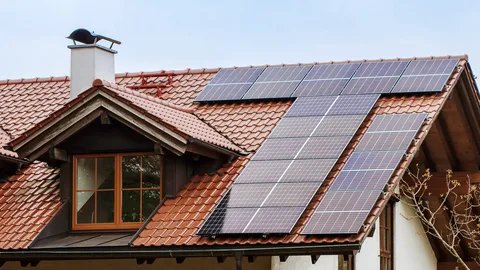
Pre-installed conduits for future solar panel installation.
By aligning with these standards, Roofing Tampa FL ensures roofs are not only sustainable but also resilient against Florida’s extreme weather.
2. Environmental Regulations for Roofing
Environmental regulations ensure that roofing practices minimize ecological harm while promoting public safety. Tampa’s regulatory landscape includes local, state, and federal laws that builders and homeowners must navigate.
Sustainable Roofing Laws
Florida’s stringent building codes, updated after hurricanes like Andrew and Irma, now incorporate sustainability. Key requirements include:
-
Wind Mitigation
Roofs must withstand winds up to 160 mph in high-velocity hurricane zones (HVHZ).
-
Cool Roof Mandates
Some municipalities require reflective roofing to reduce energy consumption.
-
Recycling Laws
Florida mandates recycling at least 75% of construction debris, including old roofing materials.
Roofing Tampa FL prioritizes materials like Class A fire-rated tiles and impact-resistant shingles that comply with these laws while enhancing energy efficiency.
Eco-Friendly Roofing Regulations
Tampa’s eco-friendly roofing regulations often align with broader green building codes. For example:
-
Stormwater Management
Permeable roofing systems or vegetative roofs to reduce runoff.
-
Hazardous Material Restrictions
Prohibition of asbestos or lead-based materials.
-
Wildlife Protection
Regulations on flat roofs to prevent bird nesting in certain zones.
Non-compliance can result in fines or project delays, making it essential to partner with a knowledgeable contractor.
Green Building Codes
The Florida Building Code (FBC) integrates sustainability through:
-
Energy Conservation
Requirements for insulation R-values and air sealing.
-
Solar Access
Zoning laws that prevent shading on solar panels.
-
Water Efficiency
Standards for rainwater catchment systems.
Roofing Tampa FL stays ahead of code updates, ensuring every project meets or exceeds these benchmarks.
3. Tax Incentives for Sustainable Roofs
Investing in sustainable roofing isn’t just good for the planet—it’s good for your wallet. Federal, state, and local incentives make eco-friendly upgrades more affordable.
Green Roofing Tax Credits
The federal government offers several tax credits, including:
-
Residential Energy Efficient Property Credit
Covers 26% of solar roof installation costs.
-
Energy Efficient Commercial Buildings Deduction
Up to $1.80 per square foot for roofs meeting ASHRAE standards.
Florida-specific incentives include the Solar and CHP Rebate Program, which offers rebates for solar-integrated roofs.
Sustainable Roof Rebates
Local utilities like Tampa Electric (TECO) provide rebates for Energy Star-certified roofs or cool roofing installations. For example:
-
Cool Roof Rebate
Up to $0.30 per square foot for reflective roofing.
-
Solar Rebates
Additional savings for pairing solar panels with energy-efficient roofs.
Eco-Friendly Roof Incentives
Tampa homeowners may also qualify for:
-
Property Tax Exemptions
Increased home value from solar roofs won’t raise property taxes.
-
Sales Tax Holidays
Annual exemptions on Energy Star products.
Roofing Tampa FL helps clients maximize these incentives by providing documentation for tax filings and rebate applications.
Conclusion
In Tampa, FL, sustainable roofing is a smart investment—environmentally, legally, and financially. By pursuing green certifications like LEED and Energy Star, adhering to eco-friendly regulations, and leveraging tax incentives, homeowners and builders can create roofs that stand the test of time and climate. At Roofing Tampa FL, we’re committed to guiding you through every step, ensuring your roof is a model of sustainability, compliance, and innovation. Ready to make your next roofing project green and cost-effective? Contact us today to learn how!