Roofing is one of the most hazardous professions, with falls, equipment failures, and weather-related accidents posing significant risks. In Tampa, FL, where extreme heat, sudden storms, and hurricane seasons amplify dangers, prioritizing safety isn’t just a best practice—it’s a lifesaver. At Roofing Tampa FL, we’ve spent decades refining safety protocols for both professionals and DIY homeowners. This guide unpacks three pillars of roofing safety: Roof Fall Protection, Ladder Safety Tips, and Weather Conditions and Roofing Safety. From OSHA compliance to practical hacks for Tampa’s climate, we’ll equip you with the knowledge to tackle projects confidently.
1. Roof Fall Protection: Systems, Standards, and Survival Strategies
Why Roof Falls Happen—And How to Prevent Them
Falls remain the #1 cause of death in construction, and roofing is no exception. Steep slopes, unstable materials (like cracked tiles or rotten wood), and complacency contribute to accidents. Even experienced roofers can misjudge risks, especially when rushing to meet deadlines.
OSHA Guidelines for Roof Safety: A Deep Dive
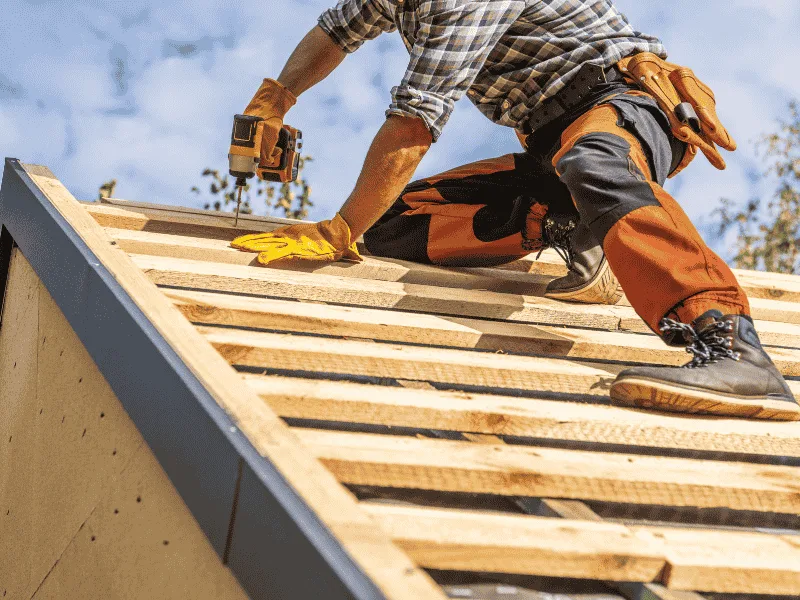
OSHA’s regulations are designed to save lives. Key requirements include:
Fall Protection Systems
Mandatory for work at heights over 6 feet. Options include:
- Guardrails: Must withstand 200 lbs of force. Ideal for flat roofs or low-slope projects.
- Safety Nets: Installed 30 feet below the work area to catch falls.
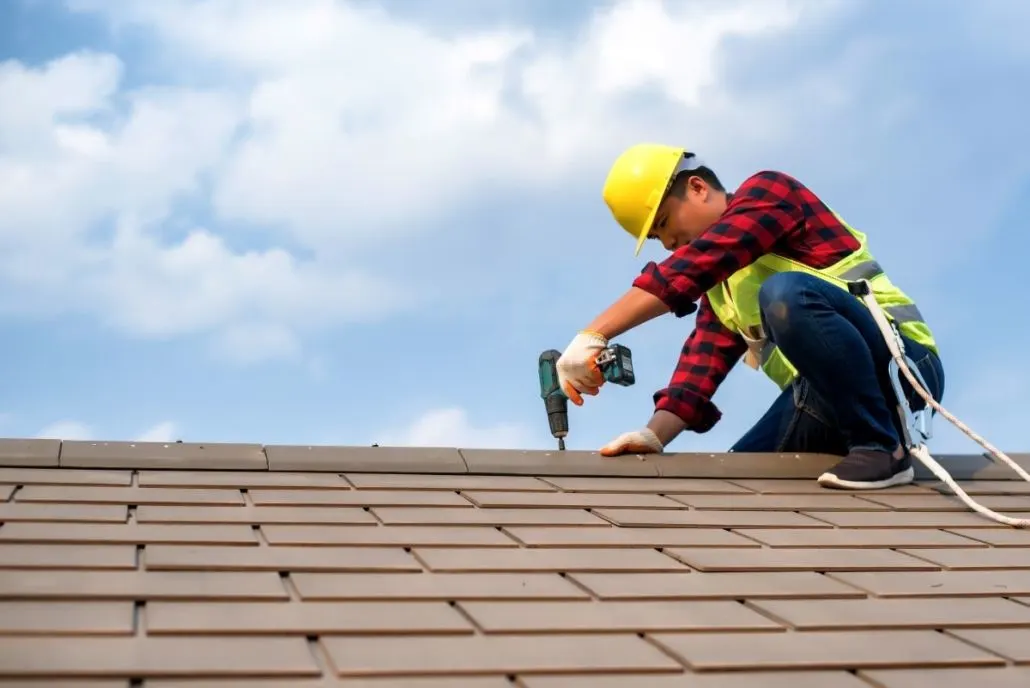
- Personal Fall Arrest Systems (PFAS): Includes a full-body harness, lifeline, and anchor point rated for 5,000 lbs.
Training
Employers must provide hands-on training for harness use, anchor setup, and hazard identification.
Inspections
Daily checks of equipment (e.g., frayed straps, damaged D-rings) are non-negotiable.
Choosing the Right Fall Protection Equipment
Safety Harnesses for Roofing
Opt for adjustable, padded harnesses with dorsal D-rings for balance. Brands like Miller and Honeywell offer OSHA-compliant options.
Anchors
Permanent anchors (installed on the roof structure) are safer than temporary ones. For DIYers, mobile anchor systems like the Guardian Fall Roof Anchor are user-friendly.
Rope Grabs and Lifelines
Retractable lifelines minimize swing falls, while rope grabs lock automatically during a slip.
Pro Tips from Roofing Tampa FL
The 100% Tie-Off Rule
Always stay connected to an anchor—even when moving between areas. Use twin lanyards to maintain continuous protection.
Avoid “Falls” in Equipment
Never use damaged gear or repurpose non-rated materials (e.g., tying off to plumbing vents).
Rescue Plans
Have a protocol for retrieving a fallen worker within 15 minutes to prevent suspension trauma.
2. Ladder Safety Tips: Mastering Setup, Climbing, and Maintenance
The Hidden Dangers of Ladder Misuse
Ladder-related injuries send over 500,000 people to emergency rooms annually. Common mistakes include overreaching, incorrect angles, and using worn-out equipment. For roofers, a poorly placed ladder can lead to catastrophic falls or structural damage.
Ladder Selection: Matching the Tool to the Task
Material Matters:
-
- Fiberglass: Non-conductive and durable—ideal for electrical work.
- Aluminum: Lightweight but conducts electricity. Best for dry conditions.
- Wood: Rarely used today due to weight and susceptibility to rot.
Height Requirements
Extension ladders should extend 3 feet above the roof edge for safe access.
Ladder Placement Tips for Maximum Stability
The 4:1 Rule
For every 4 feet of ladder height, the base should be 1 foot away from the wall. Example: A 20-foot ladder needs 5 feet of clearance at the base.
Secure the Top and Bottom
Use ladder stabilizers (like standoffs) to prevent side slippage. Anchor the base with stakes or a helper’s weight.
Avoid Hazardous Surfaces
Never place ladders on mud, gravel, or uneven ground. Use ladder levelers or plywood for stability.
Ladder Inspection Checklist: What to Look For
Before every use, inspect:
Rungs and Rails: No cracks, bends, or loose components.
Feet: Rubber grips intact and free of debris.
Locks and Hinges: Function smoothly on extension ladders.
Labels: Weight capacity and safety warnings legible.
Safe Climbing Practices
- Three Points of Contact: Always have two hands and one foot (or vice versa) on the ladder.
- Face the Ladder: Never climb sideways or backward.
- Tool Management: Use a tool belt or hoist—never carry materials in your hands.
- Stay Centered: Keep your torso between the rails; leaning too far increases tip-over risk.
When to Replace a Ladder
- Visible cracks, rust, or bent rails.
- Wobbly or stuck hinges.
- Exceeds 10 years of age (even if unused).
3. Weather Conditions and Roofing Safety: Conquering Tampa’s Climate
Tampa’s Weather Challenges: Heat, Storms, and Hurricanes
Tampa’s subtropical climate brings unique hazards:
- Scorching Summers: Temperatures exceeding 90°F increase dehydration and heatstroke risks.
- Afternoon Thunderstorms: Sudden rain creates slippery surfaces and lightning threats.
- Hurricane Season (June–November): High winds can turn loose tools into projectiles.
Safety Tips for Specific Weather Scenarios
A. Working in Extreme Heat
- Hydration: Drink 8 oz of water every 20 minutes—avoid caffeine and soda.
- Work Hours: Schedule tasks for early mornings (6–11 AM) to avoid peak heat.
- Cooling Gear: Use evaporative cooling towels, wide-brimmed hats, and UV-protective clothing.
B. Roofing in Rain or Snow
- Postpone Work: Wet roofs are slippery—reschedule if rain is forecasted.
- Traction Aids: Apply anti-slip coatings (e.g., Roof WALK®) or use temporary roof jacks.
- Emergency Covers: Keep tarps handy to protect exposed areas from water damage.
C. High Winds and Storms
- Tool Security: Use magnetic tool holders or anchored buckets to prevent drops.
- Debris Management: Clear the roof of loose materials before winds pick up.
- Evacuation Protocol: Descend immediately if winds exceed 20–25 mph.
Emergency Weather Protocols for Roofers
- Monitoring Tools: Use apps like Weather Underground or NOAA alerts for real-time updates.
- Lightning Safety: If thunder roars, go indoors! Avoid metal tools and ladders.
- Hurricane Prep:
- Secure materials with straps or sandbags.
- Cover unfinished sections with hurricane-rated tarps.
- Document pre-storm conditions for insurance claims.
Heat Stroke vs. Heat Exhaustion: Know the Signs
- Heat Exhaustion: Heavy sweating, dizziness, nausea. Treat with rest, water, and shade.
- Heat Stroke: No sweating, confusion, 104°F+ body temperature. Call 911 immediately.
Bonus: Creating a Culture of Safety
For Employers
- Conduct weekly safety meetings with hands-on drills.
- Invest in OSHA 10-Hour or 30-Hour training for teams.
- Reward safe behavior (e.g., “Safety Star of the Month”).
For DIY Homeowners
- Never work alone—have a spotter for ladder stability and emergency response.
- Rent safety gear from local suppliers if purchasing isn’t feasible.
- Know your limits—hire professionals for steep or complex roofs.
Conclusion
Roofing safety is a blend of preparation, quality equipment, and situational awareness. By mastering roof fall protection systems, adhering to ladder safety guidelines, and respecting Tampa’s volatile weather conditions, you drastically reduce risks. At Roofing Tampa FL, our certified teams combine decades of expertise with uncompromising safety standards—whether we’re repairing storm damage or installing a new roof. For projects requiring precision and compliance, trust our professionals to deliver results without cutting corners.