In Florida’s sun-drenched climate, roofs do more than just protect homes—they play a pivotal role in energy consumption, environmental impact, and long-term sustainability. At Roofing Tampa FL, we believe that choosing the right roofing materials isn’t just about durability or aesthetics; it’s about making responsible decisions for the planet and future generations. As climate concerns grow, homeowners and businesses are increasingly seeking sustainable roofing options that reduce carbon footprints, conserve energy, and minimize waste.
We’ll explore three pillars of eco-conscious roofing: eco-friendly materials, recycled solutions, and energy-efficient designs. Whether you’re renovating a historic Tampa bungalow or constructing a commercial property, discover how sustainable roofing can enhance performance, cut costs, and protect the environment.
1. Eco-Friendly Roofing Materials: Nature Meets Innovation
Eco-friendly roofing materials are designed to minimize environmental harm at every stage—from production and installation to disposal. These options prioritize renewable resources, low emissions, and energy efficiency, making them ideal for Florida’s unique climate.
Metal Roofing: Durability Meets Sustainability
Metal roofs are a standout choice for green roofing materials. Made from recycled steel, aluminum, or copper, they’re 100% recyclable at the end of their 50+ year lifespan. Their reflective surfaces deflect sunlight, reducing cooling costs by up to 25%—a critical advantage in Tampa’s scorching summers. At Roofing Tampa FL, we install metal roofs with cool-roof coatings to maximize energy savings while resisting corrosion and hurricane-force winds.
Clay and Slate Tiles: Timeless and Earth-Conscious
Clay and slate are natural, long-lasting materials that have been used for centuries. Clay tiles, baked from earthen materials, are non-toxic, fire-resistant, and biodegradable. Similarly, slate roofs, quarried from stone, can last over a century with minimal maintenance. Both options provide excellent insulation, reducing reliance on HVAC systems.
Green Roofs: Living Ecosystems Overhead
Green roofs, or “vegetated roofs,” are gaining popularity in urban Tampa. These systems layer soil and drought-resistant plants over a waterproof membrane, creating natural insulation, absorbing rainwater, and reducing urban heat island effects. While more common on commercial buildings, residential green roofs can support native flora like sedum or wildflowers, transforming rooftops into eco-havens.
Why Choose Eco-Friendly Materials?
-
Reduced Carbon Footprint
Sustainable materials often require less energy to produce than traditional asphalt shingles.
-
Longevity
Many eco-friendly options outlast conventional roofs, reducing landfill waste.
-
Energy Savings
Reflective and insulating properties lower monthly utility bills.
2. Recycled Roofing Materials: Turning Waste into Worth
The construction industry generates millions of tons of waste annually, but recycled roofing materials are changing the game. By repurposing discarded products, these solutions keep waste out of landfills while delivering performance rivaling traditional materials.
Recycled Shingles: Giving New Life to Old Materials
Reused roof shingles are often made from post-consumer plastics, rubber, or reclaimed asphalt. For example, polymer shingles mimic the look of wood shakes or slate but are crafted from recycled bottles and industrial plastics. They’re lightweight, pest-resistant, and come in vibrant colors that won’t fade under Florida’s UV rays.
Rubber Roofing: From Tires to Top Protection
Rubber roofs, typically made from recycled tires, are a durable, low-maintenance option for flat or low-slope roofs. They’re exceptionally impact-resistant, making them ideal for hail-prone areas. At Roofing Tampa FL, we’ve installed rubber membranes on commercial buildings, where their seamless design prevents leaks and extends roof life by decades.
Recyclable Metal and Tile Systems
Many metal and tile roofs aren’t just made from recycled content—they’re fully recyclable roof tiles at the end of their lifespan. Aluminum, for instance, can be recycled indefinitely without losing quality. Similarly, concrete tiles crushed after use become aggregate for new construction projects.
Environmental and Economic Benefits
-
Waste Reduction
Diverts materials from landfills and reduces demand for virgin resources.
-
Cost-Effectiveness
Recycled materials are often cheaper than new ones, with comparable durability.
-
LEED Certification
Using recycled content can contribute to green building certifications, boosting property value.
3. Energy-Efficient Roofing Solutions: Smart Designs for Lower Bills
In a state where air conditioning accounts for 27% of home energy use, energy-efficient roofing solutions are a game-changer. These systems leverage advanced materials and designs to reduce heat absorption, lower indoor temperatures, and slash energy costs.
Cool Roofs: Reflecting Heat, Saving Money
Cool roofs use reflective coatings or light-colored materials to bounce sunlight away from buildings. For example, white TPO (thermoplastic polyolefin) roofing can reflect up to 85% of solar radiation, keeping attics up to 50°F cooler. Roofing Tampa FL often pairs cool roofs with proper attic ventilation to enhance airflow and prevent moisture buildup.
Reflective Shingles and Tiles
Even traditional materials like asphalt shingles now come in energy-saving varieties. Reflective roofing shingles use special granules coated with titanium dioxide or ceramic to reflect UV rays. Similarly, terracotta tiles’ natural thermal mass absorbs heat during the day and releases it at night, stabilizing indoor temperatures.
Insulated Roofing Systems
Spray foam insulation or rigid foam boards installed beneath roofing materials create a thermal barrier, reducing heat transfer. For flat roofs, a “roof-over-roof” system adds an insulated layer above the existing structure, improving efficiency without a full tear-off.
Solar Integration: The Ultimate Energy Saver
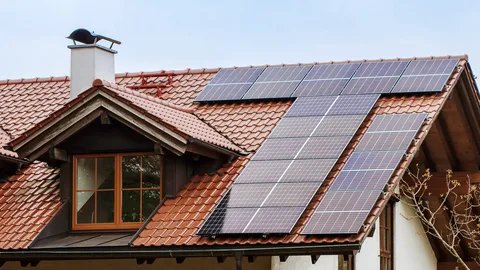
While not a roofing material itself, solar panels pair seamlessly with energy-saving roof systems. Metal roofs, for instance, are ideal for solar mounting due to their durability and ease of installation. Some homeowners opt for solar shingles, which blend photovoltaic cells into the roof’s design for a sleek, low-profile look.
Financial Incentives:
-
Federal Tax Credits
The Inflation Reduction Act offers rebates for energy-efficient upgrades, including cool roofs and solar.
-
Local Utility Rebates
Tampa Electric Company provides incentives for reflective roofing and insulation.
Conclusion
Sustainable roofing isn’t a trend—it’s the future. By choosing eco-friendly materials, embracing recycled solutions, and investing in energy-efficient designs, you can protect your property, save money, and contribute to a healthier planet.
At Roofing Tampa FL, we’re committed to pioneering green roofing practices that align with Florida’s environmental goals. From recycled rubber installations to solar-ready metal roofs, our team combines expertise with innovation to deliver roofs that stand the test of time—ethically and efficiently.
Ready to transform your roof into a sustainability powerhouse? Contact Roofing Tampa FL today for a consultation. Let’s build a legacy of resilience, one eco-conscious roof at a time.