Roofing projects are complex undertakings that demand meticulous attention to safety, legal compliance, and financial protection. At Roofing Tampa FL, we recognize that cutting corners in these areas can lead to catastrophic consequences—whether it’s a preventable workplace injury, a code violation that delays your project, or an insurance dispute that leaves you financially vulnerable. By the end, you’ll understand why partnering with a licensed, insured, and safety-focused contractor like Roofing Tampa FL is non-negotiable for a successful project.
1. Roofing Safety Guidelines: Protecting Lives and Ensuring Compliance
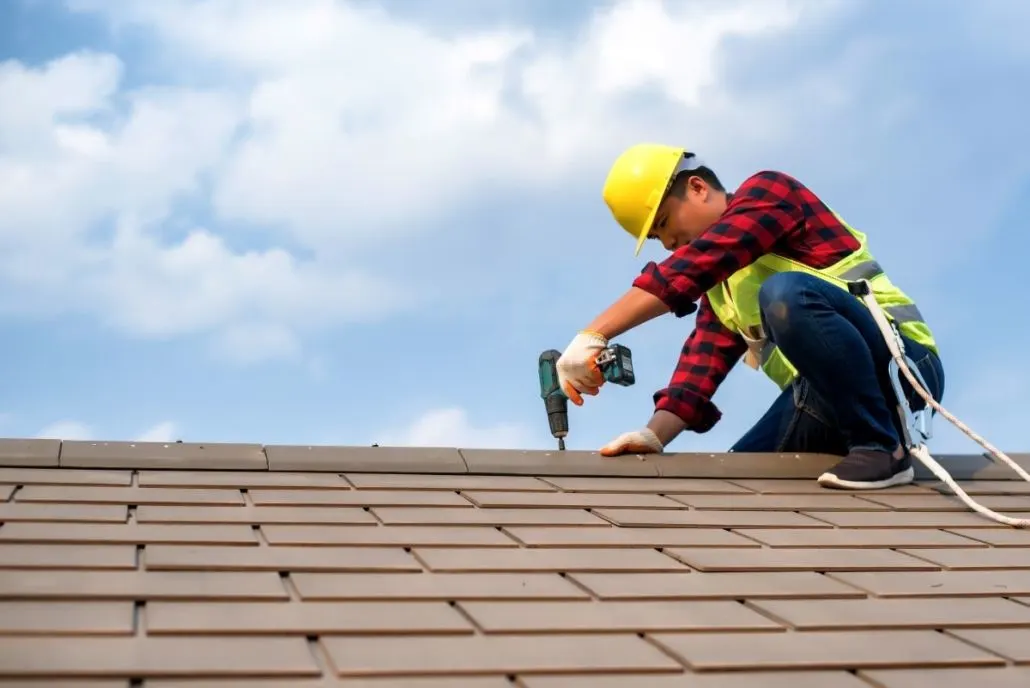
Roofing consistently ranks among the most dangerous professions in the U.S., with falls accounting for 34% of all construction fatalities (OSHA). At Roofing Tampa FL, we treat safety as a core value, not an afterthought. Our protocols align with OSHA regulations, Florida’s stringent safety laws, and industry-tested practices to ensure every project is accident-free.

The Role of Roofing Safety Equipment
The right equipment is the first line of defense against accidents. Our teams rely on:
-
Fall Arrest Systems
Full-body harnesses with shock-absorbing lanyards and secure anchor points.
-
Guardrails and Safety Nets
Temporary barriers installed along roof edges and below work areas.
-
Slip-Resistant Footwear
Shoes with deep treads to navigate steep or wet surfaces.
-
Impact-Rated Helmets
Protection from falling debris and accidental head impacts.
-
Cut-Resistant Gloves
Essential when handling sharp materials like metal flashing or asphalt shingles.
Fall Protection in Roofing: Beyond Basic Compliance
While OSHA mandates fall protection for roofs over 6 feet high, Roofing Tampa FL implements safeguards on all projects, regardless of height. Our strategies include:
-
Anchor Point Engineering
Pre-installed anchors on roofs for secure harness attachment.
-
Controlled Access Zones
Marking hazardous areas with warning lines to limit worker exposure.
-
Daily Safety Briefings
Reviewing weather conditions, equipment checks, and emergency protocols.
-
Ladder Safety
Using 3-point contact climbing and securing ladders at a 75-degree angle to prevent slips.
OSHA Roofing Regulations: What Contractors (and Homeowners) Must Know
OSHA’s standards are legally binding, and violations carry hefty penalties. Key regulations include:
-
1926.501 (Fall Protection)
Requires guardrails, safety nets, or personal fall arrest systems.
-
1926.503 (Training)
Workers must undergo annual training on hazard recognition and equipment use.
-
1926.1053 (Ladder Safety)
Mandates inspections for defects and secure placement.
-
1926.102 (Eye/Face Protection)
Safety goggles when using nail guns or cutting tools.
Emergency Preparedness: Beyond Prevention
Even with precautions, accidents can happen. Roofing Tampa FL’s emergency response plan includes:
-
First-Aid Kits
Stocked with tourniquets, bandages, and burn gels.
-
Rescue Training
Workers learn how to stabilize fallen colleagues until EMS arrives.
-
Incident Reporting
Documenting near-misses to improve future protocols.
2. Roofing Building Codes: Navigating Tampa’s Legal Landscape
Florida’s building codes are among the strictest in the nation, designed to withstand hurricanes, torrential rains, and extreme UV exposure. Ignoring these codes can result in project shutdowns, fines, or even demolition orders.

Building Permits for Roofing: When and How to Comply
In Hillsborough County, permits are required for:
-
Full Roof Replacements
Even if using similar materials.
-
Structural Repairs
Fixing decking, trusses, or rafters.
-
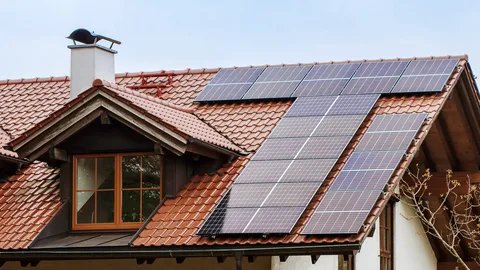
Solar Panel Installations
Due to added weight and electrical work.
Steps to Secure a Permit:
-
Submit Plans
Include material specifications, load calculations, and wind resistance ratings.
-
Pay Fees
Typically 100–100–500, depending on project scope.
-
Pass Inspections
-
- Pre-Installation: Verifying underlayment and decking integrity.
- Mid-Project: Checking flashing, ventilation, and waterproofing.
- Final Inspection: Ensuring compliance with FBC Section 1507.
Compliance with Local Regulations: Tampa’s Unique Requirements
Tampa’s codes align with the Florida Building Code (FBC) and International Residential Code (IRC), with added emphasis on:
-
Wind Mitigation:
-
- Shingles: Class F (110+ mph wind resistance).
- Decking: 8d ring-shank nails spaced 6 inches apart.
- Hurricane Straps: Metal connectors securing trusses to walls.
-
Water Intrusion Prevention:
-
- Ice and Water Shield: Self-adhesive membrane in valleys and eaves.
- Step Flashing: Overlapping metal strips at roof-wall intersections.
-
Ventilation:
-
- 1:150 Ratio: 1 sq. ft. of vent space per 150 sq. ft. of attic floor.
- Soffit and Ridge Vents: Balanced intake/exhaust to prevent moisture buildup.
Roofing Code Violations: Risks and Remedies
Common violations include:
-
Unpermitted Work
Fines up to $5,000 or double the permit cost.
-
Improper Flashing
Leads to leaks and mold; requires full reinstallation.
-
Inadequate Drainage
Flat roofs must slope ¼ inch per foot to prevent pooling.
How Roofing Tampa FL Ensures Code Compliance
- Pre-Project Audit: Reviewing existing structures for hidden code issues.
- Material Sourcing: Using FBC-certified suppliers.
- Third-Party Inspections: Collaborating with licensed engineers for complex projects.
3. Roofing Insurance Coverage: Mitigating Financial Risks
Insurance is the safety net that protects homeowners and contractors from unforeseen disasters, injuries, and liability disputes.
Homeowners Insurance for Roofs: What’s Covered?
Most policies cover sudden, accidental damage like:
- Storm Damage: Hurricanes, hail, and wind (subject to deductible).
- Fire: Lightning strikes or electrical fires.
- Vandalism: Graffiti or intentional destruction.
Exclusions:
- Wear and Tear: Gradual deterioration from age or poor maintenance.
- Negligence: Failure to repair known leaks, leading to rot.
Maximizing Claims Success:
- Documentation: Take timestamped photos before/after storms.
- Pre-Approved Contractors: Insurers often favor vendors like Roofing Tampa FL for accurate estimates.
- Depreciation Clauses: Actual Cash Value (ACV) vs. Replacement Cost Value (RCV) policies.
Workers’ Compensation for Roofers: Why It Matters
Florida law requires contractors with 1+ employees to carry workers’ comp insurance. Benefits include:
- Medical Bills: Surgeries, medications, and physical therapy.
- Lost Wages: 66% of average weekly pay during recovery.
- Death Benefits: Up to $150,000 to families of deceased workers.
Insurance Claims for Roof Damage: A Step-by-Step Guide
- Assess Damage Safely: Look for missing shingles, dents, or water stains.
- Contact Your Insurer: File a claim within 30–60 days (varies by policy).
- Meet the Adjuster: Provide contractor estimates and damage documentation.
- Negotiate Fair Payouts: Roofing Tampa FL advocates for clients to counter lowball offers.
Liability Insurance: Shielding Homeowners from Contractor Errors
Roofing Tampa FL carries $2 million in general liability insurance, covering:
- Property Damage: Accidental breaks to windows or siding.
- Bodily Injury: A visitor slipping on debris.
- Completed Operations: Defects discovered post-project.
Conclusion
From OSHA-certified safety gear to mastering Tampa’s hurricane-ready building codes and navigating insurance complexities, Roofing Tampa FL combines expertise with unwavering accountability. Our team ensures every project meets the highest standards, giving homeowners peace of mind that their investment is safe, legal, and insured.