In an era where environmental responsibility is more critical than ever, homeowners and businesses are seeking ways to reduce their carbon footprint. For those in Tampa, FL, where the climate poses unique challenges—intense sun, heavy rains, and hurricane risks—adopting sustainable roofing practices isn’t just a trend; it’s a necessity. At Roofing Tampa FL, we specialize in eco-friendly solutions that prioritize durability, energy efficiency, and environmental stewardship. This article explores three key areas of sustainable roofing: installation methods, maintenance strategies, and the decision between repair and replacement.
1. Sustainable Roof Installation Methods: Building for the Future
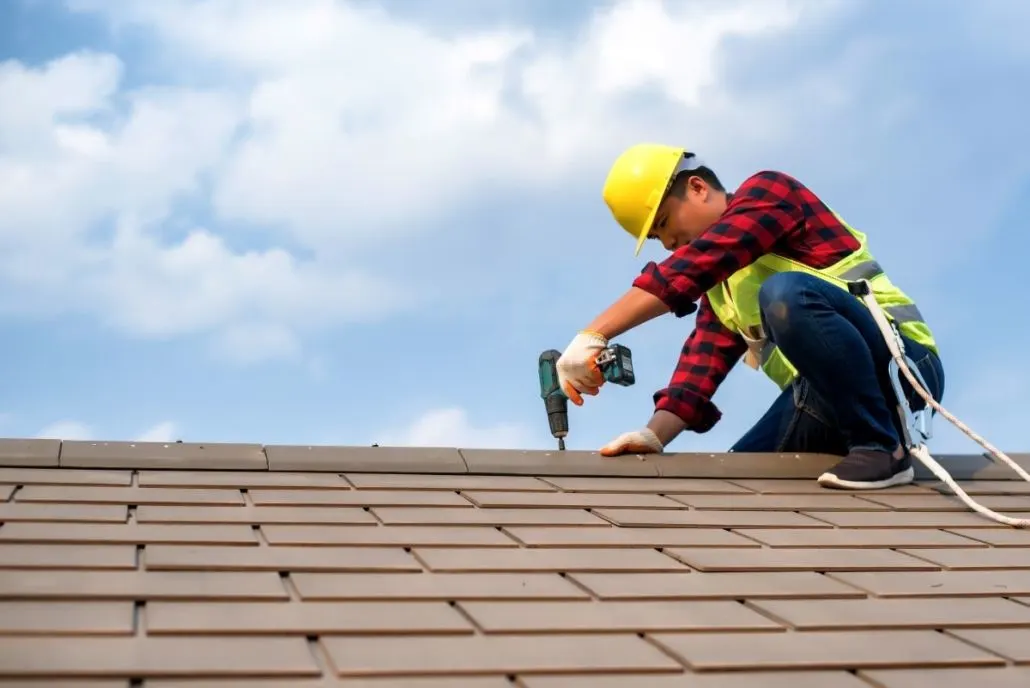
The foundation of a sustainable roof begins with its installation. Traditional roofing practices often prioritize speed and cost over environmental impact, but modern techniques emphasize minimizing waste, conserving energy, and using materials that benefit both the structure and the planet. Here are the most effective eco-friendly roof installation methods gaining traction in Tampa and beyond:
Recycled and Renewable Materials
Sustainable roofing starts with material selection. Options like recycled metal, reclaimed wood, or rubber made from repurposed tires reduce landfill waste and lower the demand for virgin resources. For example, metal roofs are 100% recyclable, reflect sunlight to reduce cooling costs, and last up to 50 years. Similarly, clay or slate tiles offer natural durability and thermal regulation.
Cool Roofing Systems
Tampa’s scorching summers make cool roofing a game-changer. These roofs are designed with reflective coatings or light-colored materials to deflect sunlight, lowering attic temperatures by up to 50°F. This reduces reliance on air conditioning, slashing energy bills and greenhouse gas emissions. Cool roofing is a cornerstone of green roof construction, aligning with Florida’s energy efficiency goals.
Green (Living) Roofs
Though less common in residential settings, green roofs—layers of vegetation grown atop waterproof membranes—are rising in popularity for commercial buildings. They absorb rainwater, reduce stormwater runoff, and provide natural insulation. In urban Tampa, green roofs combat the “heat island” effect, where concrete and asphalt trap heat, elevating local temperatures.
Solar-Ready Roofing
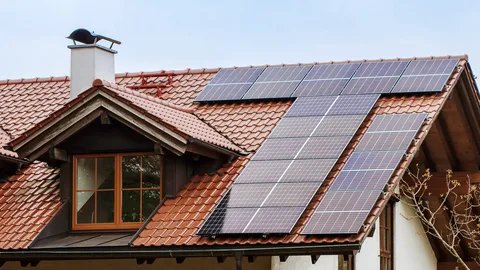
Integrating solar panels during installation future-proofs your roof. Solar-ready designs include reinforced structures to support panels and optimal positioning for sun exposure. Pairing solar with sustainable roofing techniques like cool membranes maximizes energy savings.
Proper Insulation and Ventilation
A well-insulated roof prevents heat transfer, reducing energy consumption. Spray foam or cellulose insulation (made from recycled paper) are eco-friendly choices. Combined with balanced ventilation, these systems prevent moisture buildup, a critical consideration in Tampa’s humid climate.
Why It Matters
Sustainable installation isn’t just about materials—it’s a holistic approach that considers longevity, energy efficiency, and environmental harmony. By investing in green roof construction, Tampa homeowners enjoy lower utility costs, tax incentives, and the satisfaction of protecting Florida’s ecosystems.
2. Roof Maintenance for Sustainability: Prolonging Lifespan, Reducing Waste
Even the most eco-friendly roof requires care to stay functional. Regular maintenance prevents minor issues from escalating, reducing the need for premature replacements. Here’s how sustainable roof upkeep can save money and resources:
Routine Inspections
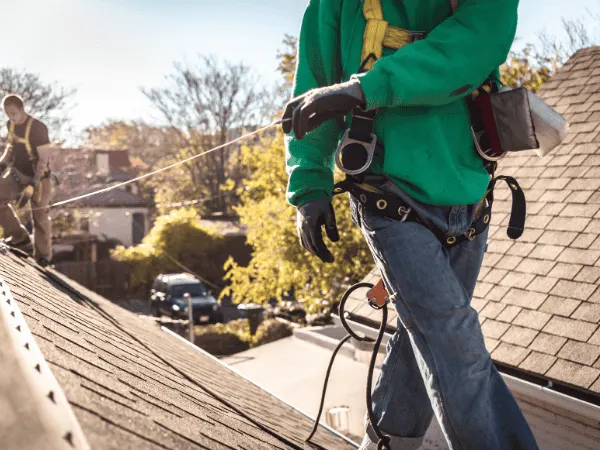
Biannual inspections (post-storm season and before summer) identify cracked shingles, loose flashing, or clogged gutters. Early detection of leaks or mold prevents structural damage and avoids resource-intensive repairs.
Eco-Friendly Cleaning Practices
Algae and debris accumulation shorten a roof’s lifespan. Use eco-friendly roof maintenance tips like low-pressure washing to avoid damaging shingles. For algae removal, opt for zinc or copper strips—chemical-free solutions that inhibit growth.
Prompt Repairs
Addressing small leaks or broken tiles immediately prevents water damage and mold. Choose green roof care products, such as sealants with low volatile organic compounds (VOCs), to maintain air quality.
Reflective Coatings
Reapplying reflective coatings every few years rejuvenates cool roofing benefits. These coatings are non-toxic and enhance UV resistance, extending the roof’s life without replacement.
Gutter Management
Clean gutters direct rainwater away from the roof and foundation. Consider installing rain barrels to harvest water for landscaping, aligning with Tampa’s water conservation efforts.
Why It Matters
Proactive maintenance reduces landfill waste from roof replacements and conserves the energy required to manufacture new materials. For Tampa residents, this approach also mitigates storm-related damage, a frequent concern in coastal Florida.
3. Roof Repair vs. Replacement: Making Sustainable Choices
When damage occurs, homeowners face a dilemma: repair or replace? This decision significantly impacts sustainability. Here’s how to weigh your options:
When to Choose Eco-Friendly Roof Repair
-
Minor Damage
Isolated issues like a few missing shingles or small leaks can often be repaired. Eco-friendly roof repair uses recycled or durable materials to patch problem areas.
-
Cost Efficiency
Repairs are typically cheaper and generate less waste than full replacements.
-
Historical Homes
Preserving original materials (e.g., clay tiles) maintains architectural integrity and avoids the environmental cost of new manufacturing.
When Sustainable Replacement is the Answer
-
Severe Damage
After a hurricane or decades of wear, replacement becomes unavoidable. Opt for sustainable roof replacement options like metal, solar shingles, or recycled synthetics.
-
Energy Inefficiency
Older roofs lacking insulation or reflectivity may cost more in energy bills than a replacement would.
-
Material Upgrades
Newer materials like cool asphalt shingles or photovoltaic tiles offer better performance and longevity.
Green Roofing Alternatives
If replacement is necessary, consider:
-
Metal Roofing
Lightweight, recyclable, and ideal for solar integration.
-
Recycled Shingles
Made from plastic, rubber, or wood fibers, these mimic traditional styles without the environmental toll.
-
Living Roofs
Perfect for flat commercial roofs, they improve air quality and biodiversity.
-
Why It Matters
Choosing repair over replacement reduces immediate waste, but a strategic upgrade can offer long-term sustainability. For example, a metal roof might last twice as long as asphalt, offsetting its initial carbon footprint.
Conclusion
Sustainable roofing isn’t a one-time project—it’s a commitment to mindful practices at every stage. From installation to maintenance and beyond, each decision impacts your home’s efficiency and the environment. At Roofing Tampa FL, we’re dedicated to helping you navigate these choices with expertise in eco-friendly roof installation, sustainable roof upkeep, and green roofing alternatives.
Whether you’re building new, maintaining an existing roof, or weighing repair vs. replacement, our team provides solutions tailored to Tampa’s climate and your sustainability goals. Contact us today to learn how we can protect your home while preserving the planet—one roof at a time.