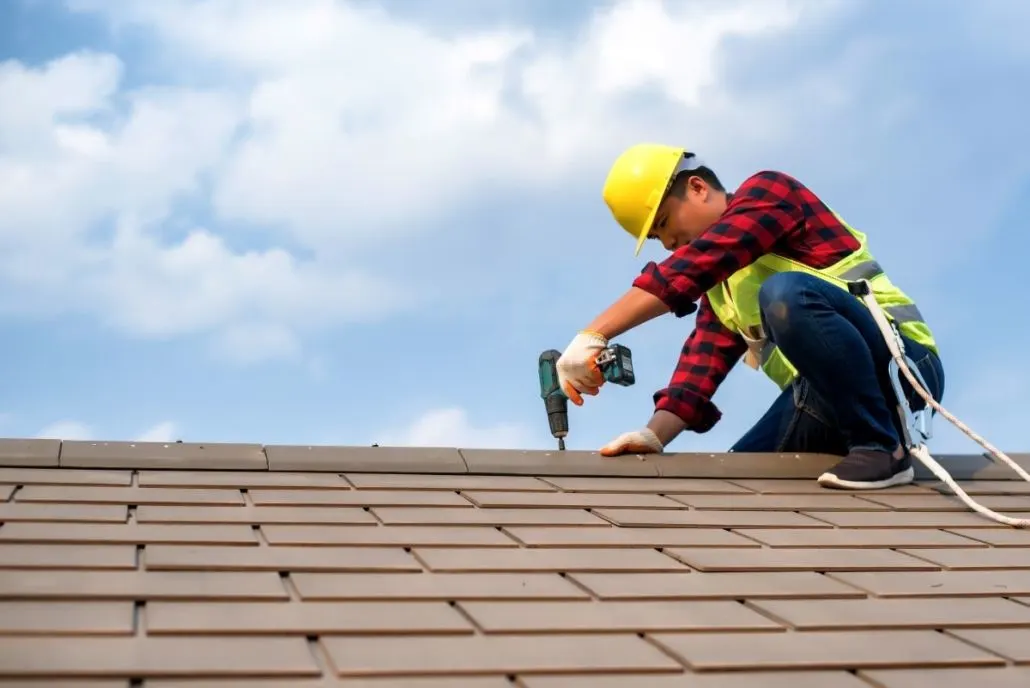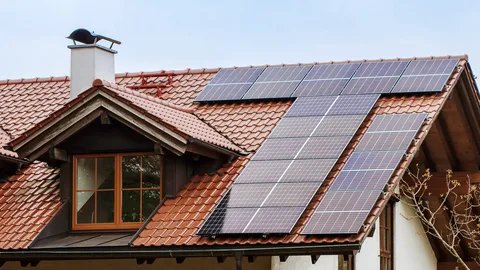
When it comes to protecting your home, your roof is the first line of defense against Tampa’s intense sun, heavy rains, and occasional hurricanes. Understanding the costs and budgeting for roofing projects—whether installation, repairs, or maintenance—is essential for homeowners looking to safeguard their investment without breaking the bank. In this guide, Roofing Tampa FL breaks down everything you need to know to plan effectively, prioritize wisely, and avoid financial surprises. Let’s dive into the details.
1. Cost of Roof Installation: Planning for a New Roof
Installing a new roof is a significant investment, but it’s one that pays off in durability, energy efficiency, and curb appeal. Here’s what Tampa homeowners should know about budgeting for a roof replacement.

Average Cost to Replace a Roof
The average cost to replace a roof in Tampa ranges from 8,000 to 25,000+, depending on the size, materials, and complexity. For a standard 2,000 sq ft home, asphalt shingle replacement typically falls between 10,000 and 15,000, while premium materials like metal or tile can exceed $20,000.
Roof Installation Price Per Square Foot
Most roofing contractors price projects by the “square” (100 sq ft). Locally, you can expect:
- Asphalt Shingles: 3.50–3.50–6.50 per sq ft
- Metal Roofing: 8–8–15 per sq ft
- Clay or Concrete Tile: 10–10–20 per sq ft
Labor accounts for 40–60% of the total cost, with Tampa’s high demand for hurricane-resistant installations sometimes pushing prices higher.
Factors Affecting Roof Installation Cost
-
Material Choice
Asphalt shingles (3.50–3.50–6.50/sq ft) are Tampa’s budget-friendly option, while metal (8–8–15/sq ft) reflects heat and tile (10–10–20/sq ft) offers hurricane resistance. Long-term savings vary with material lifespan and energy efficiency.
-
Roof Pitch and Complexity
Steep slopes require safety harnesses and slower labor, increasing costs by 20–50%. Multi-level designs, chimneys, or skylights add complexity, demanding custom flashing and extended installation timelines for Tampa homes.
-
Permits and Codes
Tampa’s wind mitigation codes mandate impact-resistant shingles, reinforced underlayment, and hurricane straps. Permit fees (200–200–1,000) and inspections ensure compliance but add to upfront costs.
-
Existing Damage
Hidden rot or compromised decking discovered during tear-off can add 1,000–1,000–5,000+ for repairs. Delaying fixes risks voiding warranties or causing premature failure of the new roof system.
2. Cost of Roof Repair: Addressing Issues Before They Escalate
Not all roofing problems require a full replacement. Timely repairs can save thousands, but it’s crucial to understand when to patch vs. replace.
Average Cost to Fix a Leaky Roof
Fixing a leaky roof in Tampa averages 400–400–1,500, depending on the leak’s location and severity. Simple fixes like sealing a vent boot cost a little.
Price to Replace Missing Shingles
Replacing asphalt shingles typically costs 100–100–400 per square (100 sq ft). For a small section of missing shingles, expect to pay 150–150–300. However, color-matching older roofs may raise prices if materials are discontinued.
Emergency Roof Repair Cost
After a storm or sudden leak, emergency repairs often come with a premium. Tampa homeowners might pay 500–500–3,000 for after-hours services, tarping, or temporary stabilization. For example, tarping a damaged section costs 300–300–800, while structural stabilization can exceed $1,500.
Repair vs. Replacement: When to Choose
- Repair if damage is isolated (e.g., a few missing shingles or a small leak).
- Replace if repairs exceed 50% of a new roof’s cost, or if the roof is over 20 years old.
3. Roof Maintenance Budget: Protecting Your Investment Long-Term
Regular maintenance is the key to maximizing your roof’s lifespan. A little proactive care can prevent costly repairs and extend your roof’s life by decades.
Annual Roof Inspection Cost
Professional inspections in Tampa cost 150–150–400 annually. Inspectors check for:
- Cracked or curling shingles
- Clogged gutters
- Moss or algae growth
- Damaged flashing or seals
Many roofing companies offer discounted inspection bundles for bi-annual visits.
Scheduled Maintenance Tips
-
Clean Gutters
Clogged gutters cause water backups, leading to rot, mold growth, and foundation damage. In Tampa’s rainy climate, schedule cleanings 2–4 times yearly (100–100–250 per visit). Prioritize post-storm cleanings to remove palm fronds, pine needles, and debris that block drainage.
-
Trim Overhanging Branches
Overhanging branches scrape roofing materials during storms and drop leaves that trap moisture. Trim limbs 6–10 feet from your roof to minimize debris buildup and reduce hurricane-related damage risks.
-
Check Attic Ventilation
Poor attic airflow traps heat and moisture, accelerating shingle deterioration and raising energy bills. Inspect vents seasonally for blockages, ensuring intake and exhaust systems work efficiently.
-
Remove Debris
Leaves, branches, and moss trap moisture, promoting rot and algae growth. After storms, clear debris from valleys and flat sections using a soft-bristle broom to avoid scratching shingles. Focus on areas near trees or skylights where buildup is common.
Preventative Care Budgeting
Allocate 500–500–1,000 annually for maintenance. This covers:
- Inspections
- Minor repairs (e.g., resealing vents)
- Gutter cleaning
- Moss treatment
Conclusion
From installation to repairs and maintenance, understanding roofing costs empowers Tampa homeowners to make informed decisions. Whether you’re weighing a full replacement after a storm or scheduling routine inspections, proactive budgeting ensures your roof remains sturdy through Florida’s toughest weather.
At Roofing Tampa FL, we’re committed to transparency and quality. Contact us today for a free estimate, and let us help you protect your home—and your wallet—for years to come.