When it comes to roofing projects, safety isn’t just a priority—it’s a necessity. At Roofing Tampa FL, we understand that whether you’re a homeowner tackling a DIY repair or a contractor managing large-scale installations, adhering to safety protocols can mean the difference between success and disaster. Florida’s unique climate, with its intense sun, sudden storms, and hurricane risks, adds layers of complexity to roofing work. This 1500-word guide dives deep into essential roofing safety practices, OSHA standards, fall protection strategies, and Tampa-specific considerations to ensure every project is completed safely and efficiently.
1. Roofing Safety Guidelines: Protecting People and Property
Roofing projects involve inherent risks, from unstable surfaces to unpredictable weather. By following these roofing safety tips, you can minimize hazards and create a secure environment for everyone involved.
Pre-Project Preparation
Structural Inspection and Risk Assessment
-
- Before starting any project, conduct a thorough inspection of the roof. Look for signs of rot, water damage, or weak spots—common issues in Tampa’s humid climate. Use moisture meters to detect hidden leaks.
- Identify hazards such as electrical wiring, skylights, or uneven surfaces. Mark these areas with high-visibility tape or cones.
- Check local building codes and secure necessary permits. In Tampa, hurricane-resistant roofing materials may be required for compliance.
Weather Readiness
-
- Florida’s weather is notoriously unpredictable. Monitor forecasts for rain, lightning, or high winds, which can turn a roof into a slippery hazard.
- Schedule work during cooler morning hours in summer to avoid heat exhaustion. Provide shaded rest areas and hydration stations.
Personal Protective Equipment (PPE)
-
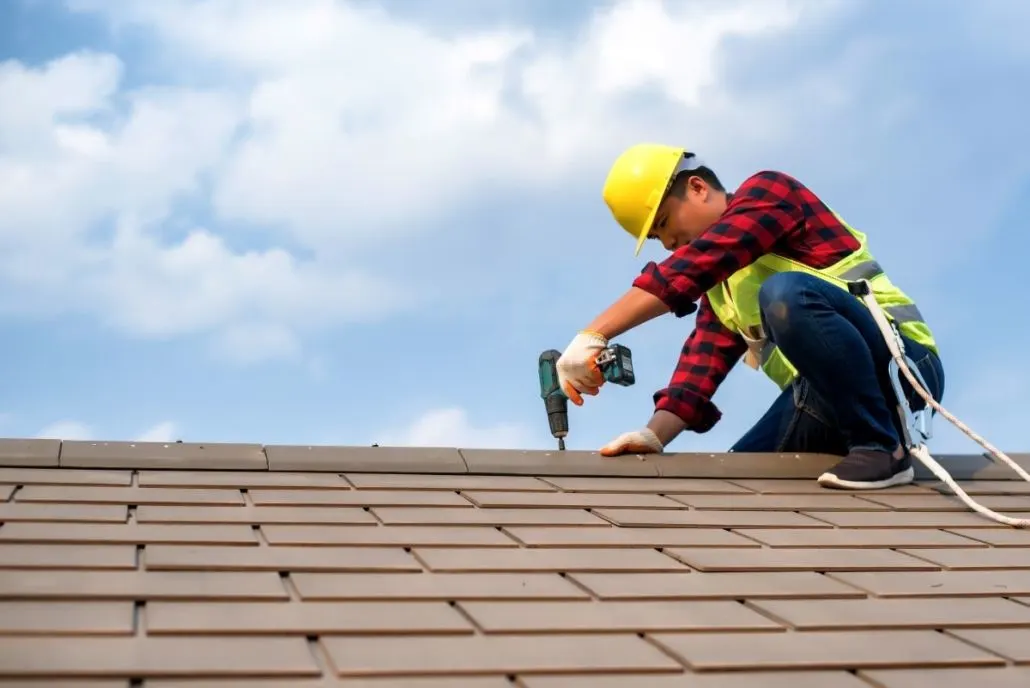
- Equip workers with OSHA-approved gear:
- Non-slip boots with deep treads for traction.
- Hard hats to protect against falling debris.
- Cut-resistant gloves for handling sharp materials like metal flashing.
- UV-protective clothing and cooling vests for Tampa’s intense sun.
- Equip workers with OSHA-approved gear:
Tool and Material Safety
-
- Use tool lanyards or tethers to prevent drops. A falling hammer or nail gun can cause severe injuries or property damage.
- Store heavy materials near the roof’s center to avoid overloading edges.
During the Project: Hazard Control
Slip and Trip Prevention
-
- Clear debris like nails, shingles, and sawdust immediately. Designate a “safety monitor” to oversee cleanup.
- Install temporary walkways with plywood or roof brackets for stable footing on steep slopes.
Electrical Safety
-
- Keep ladders, tools, and workers at least 10 feet away from power lines. Use fiberglass ladders, which are non-conductive.
- Ground all equipment to prevent static buildup, especially when installing metal roofing.
Communication Protocols
-
- Use two-way radios or hand signals to coordinate movements, especially on large crews.
- Establish emergency procedures, including evacuation routes and first-aid station locations.
Post-Project Safety Measures
Final Inspection
-
- Ensure all tools are accounted for and debris is removed. Check for loose nails or exposed edges.
- Test the roof’s integrity by simulating heavy rainfall (if possible) to detect leaks.
Documentation and Compliance
-
- Maintain records of safety meetings, equipment inspections, and incident reports.
- Adhere to roofing safety regulations, including Florida’s Building Code Section 1504 for wind resistance.
2. OSHA Roofing Safety Standards: Compliance Saves Lives
The Occupational Safety and Health Administration (OSHA) sets the gold standard for workplace safety, and roofing is no exception. Understanding OSHA roofing guidelines isn’t just about avoiding fines—it’s about fostering a culture of safety.
Key OSHA Standards for Roofing
Fall Protection (29 CFR 1926.501)
- 6-Foot Rule: OSHA mandates fall protection for work at heights over 6 feet. Options include:
- Guardrails: Temporary rails must withstand 200 lbs of force.
- Safety Nets: Positioned no more than 30 feet below the work area.
- Personal Fall Arrest Systems (PFAS): Harnesses must limit fall force to 1,800 lbs and prevent contact with lower levels.
Ladder Safety (29 CFR 1926.1053)
- 4:1 Ratio: Place ladders 1 foot away from the wall for every 4 feet of height.
- Three-Point Contact: Always maintain two hands and one foot (or vice versa) on the ladder.
- Inspection: Check for cracks, loose rungs, or corrosion before use.
Training (29 CFR 1926.503)
- Employers must provide annual fall protection training, covering:
- Proper use of PFAS.
- Emergency rescue procedures.
- Recognizing hazards like unstable surfaces.
Steps to Achieve Roofing OSHA Compliance
Customized Safety Plans
-
- Develop a written plan tailored to each project. For example, steep-slope roofs may require additional anchor points.
- Include emergency contacts for Tampa-area hospitals and fire departments.
Equipment Maintenance
-
- Inspect harnesses and lanyards monthly. Look for frayed straps or damaged buckles.
- Replace helmets every 5 years or after significant impact.
Recordkeeping
-
- Document all training sessions, safety audits, and near-miss incidents.
- Use digital tools like SafetyCulture or iAuditor to streamline compliance.
3. Roofing Fall Protection: Your Lifeline on the Rooftop
Falls account for over 33% of roofing fatalities, according to OSHA. Implementing roof fall safety measures isn’t optional—it’s a moral and legal obligation.
Essential Fall Protection Systems
Personal Fall Arrest Systems (PFAS)
-
- Full-Body Harnesses: Distribute force across the chest, shoulders, and thighs. Ensure straps are snug but not restrictive.
- Anchorage Points: Must support 5,000 lbs per worker. Use steel beams or engineered anchors, not PVC vents.
- Shock-Absorbing Lanyards: Reduce impact force by decelerating falls gradually.
Guardrails and Warning Lines
-
- Install 42-inch guardrails with midrails and toeboards on flat roofs.
- For steep roofs, use warning lines 15 feet from edges to keep workers alert.
Safety Monitoring Systems
-
- Assign a competent “safety watch” to oversee workers near edges. This person must have no other duties.
Prevention vs. Protection
Preventive Measures
-
- Scaffolding: Provides a stable platform for multi-day projects. Ensure it’s level and braced against the building.
- Aerial Lifts: Ideal for reaching high peaks without ladder setup.
Protective Measures
-
- Retractable Lifelines: Allow free movement while locking instantly during a fall.
- Roof Anchors: Permanent anchors are cost-effective for frequent maintenance work.
Training and Maintenance
Hands-On Drills
-
- Conduct quarterly rescue simulations. Practice using descent devices like the Petzl ASAP.
- Train workers to recognize “fall clearance” requirements—the space needed to arrest a fall safely.
Equipment Care
-
- Clean harnesses with mild soap and water. Avoid harsh chemicals that degrade fibers.
- Store gear in ventilated areas to prevent mold growth—a common issue in Tampa’s humidity.
4. Tampa-Specific Safety Challenges and Solutions
Extreme Heat
- Hydration Protocols: Mandate 10-minute breaks every hour with electrolyte drinks.
- Cooling Gear: Provide evaporative cooling vests and neck gaiters.
Hurricane Preparedness
- Secure loose materials with hurricane straps or sandbags.
- Use impact-resistant shingles rated for Miami-Dade County’s stringent codes.
Wildlife Hazards
- Inspect for wasp nests, raccoons, or snakes before starting work. Partner with local wildlife removal services.
Conclusion
Roofing projects demand respect for risks and rigorous adherence to safety practices. From roofing hazard control to OSHA roofing compliance, every step matters. At Roofing Tampa FL, we blend expertise with unwavering commitment to safety, ensuring your project meets the highest standards.
Need a Safe, Reliable Roofing Partner? Contact Roofing Tampa FL today. Let us handle the risks while you enjoy peace of mind.