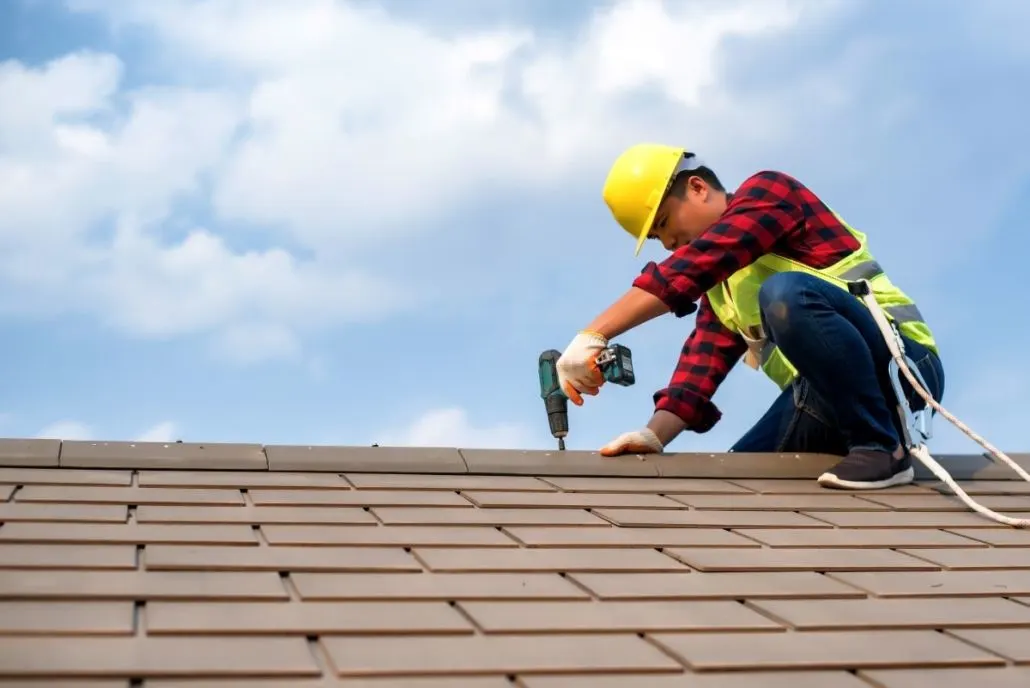
Tampa, Florida, is a vibrant city on the Gulf Coast that enjoys plenty of sunshine but also faces a high risk of extreme weather events. Known for its subtropical climate and proximity to the Gulf of Mexico, the area is highly vulnerable to seasonal storms that can escalate quickly into destructive hurricanes. The area’s exposure to hurricanes, tropical storms, heavy rains, and high winds makes roofing one of the most regulated aspects of construction and home maintenance. Because roofs serve as the first line of defense against these hazards, even small weaknesses can result in significant water damage, mold growth, or structural issues. When disaster strikes, emergency roofing services become essential to protect homes and businesses from further damage and to restore safety for occupants as quickly as possible.

However, in Tampa, emergency roofing is not just about fast repairs—it also involves strict adherence to permits, codes, and inspection requirements. Local building officials place heavy emphasis on compliance because improperly completed repairs can create long-term risks, compromise insurance coverage, and reduce property value. Failing to meet these requirements can lead to fines, voided insurance claims, or even unsafe roofing structures that fail during the next storm. This article provides a complete guide to permit and code considerations for emergency roofing services in Tampa, FL, breaking down the Florida Building Code, local city and county rules, and best practices for homeowners and contractors.
Why Permits Matter in Emergency Roofing
In emergencies, it may feel tempting to skip paperwork and start repairs immediately. But roofing permits serve a critical purpose:
- Safety – Ensures work meets standards to withstand Florida’s extreme weather.
- Accountability – Confirms that a licensed contractor is performing the job.
- Insurance Coverage – Many insurance companies require proof of proper permits for claim approval.
- Resale Value – Future buyers and inspectors will check for roofing permits during property sales.
Even during emergencies, the City of Tampa and Hillsborough County typically require permits for most roofing activities. There are some exemptions for very minor work, but anything involving roof coverings, re-roofing, or structural repair almost always requires official approval.
Permit Requirements for Emergency Roofing in Tampa
| Requirement | Details | Why It’s Important |
|---|---|---|
| Roofing Permit | Needed for roof replacements, re-roofing, structural repairs, and large patch jobs. Must be obtained from City of Tampa Construction Services or Hillsborough County Building Services (depending on jurisdiction). | Prevents non-compliant or unsafe work and protects insurance eligibility. |
| Licensed Contractor | Only licensed roofing or general contractors can pull a roofing permit. | Ensures proper expertise and compliance with Florida law. |
| Plan Review | Required when work includes structural repairs, full re- roofing, or projects over certain square footage thresholds. | Allows officials to review compliance with Florida Building Code. |
| Inspections | May include a dry-in inspection, water barrier inspection, and final approval inspection. | Ensures every step of the repair process is code-compliant. |
| Exemptions | Some minor roof covering repairs of 500 square feet or less may be exempt, but this depends on city/county code. | Offers relief for small repairs but avoids unsafe shortcuts. |
Understanding the Florida Building Code (FBC)
The Florida Building Code (FBC) governs all roofing work across the state, including Tampa. Because Florida faces unique risks from hurricanes, the roofing section of the FBC is one of the strictest in the country.
Key Provisions for Emergency Roofing
- The 25% Rule – If more than 25% of a roof section is repaired, replaced, or recovered within 12 months, the entire section must be brought up to current code.
- Wind Resistance Standards – Tampa is located in a wind-borne debris region, so roofing assemblies must meet higher wind load requirements.
- Secondary Water Barrier – A sealed roof deck or self-adhering membrane underlayment is often required to prevent leaks.
- Material Ratings – Shingles, tiles, metal panels, and underlayments must be tested and approved for Florida’s wind and impact standards.
- Structural Repairs – Damage to trusses, rafters, or decking requires engineered drawings and plan review.
Local Regulations in Tampa and Hillsborough County
City of Tampa Requirements
- Permit Application: Requires contractor license information, homeowner details, and a description of work.
- Inspections: Typically include dry-in inspection and final inspection.
- Emergency Provisions: After hurricanes, Tampa may expedite roofing permits.
Hillsborough County Requirements
- Similar to Tampa but with its own administrative procedures.
- Offers online permit applications and may allow electronic documents.
- Emergency permits may be fast-tracked after disasters.
Emergency Roofing: Step-by-Step Compliance
- Assess the Damage – Take photos, check structural elements.
- Contact Local Building Department – Confirm jurisdiction and emergency permit options.
- Hire a Licensed Contractor – Verify with Florida DBPR.
- Submit a Permit Application – Provide details and pay fees.
- Temporary Fixes – Tarps allowed immediately; permanent fixes need permits.
- Schedule Inspections – Deck, underlayment, final covering.
- Maintain Documentation – Keep permits, inspection reports, invoices.
Common Mistakes to Avoid
- Skipping Permits
- Using Unlicensed Contractors
- Ignoring the 25% Rule
- Neglecting Wind Ratings
- Failing to Install Water Barriers
Cost and Time Considerations
| Factor | Impact in Emergency Roofing |
|---|---|
| Permit Fees | Typically a few hundred dollars. |
| Processing Time | 1–3 days, expedited in emergencies. |
| Inspection Scheduling | Can delay completion if inspectors are overloaded. |
| Material Costs | Prices rise after storms due to demand. |
| Labor Costs | Emergency rates may apply. |
Risks of Non-Compliance
- Legal Penalties: stop-work orders and fines.
- Insurance Denial: claims denied if unpermitted.
- Safety Hazards: roofs may fail during next storm.
- Resale Problems: buyers request proof of permitted work.
FAQs
Is a permit required for emergency roof repair after a storm?
Yes, most emergency roofing repairs in Tampa require permits unless exempt.
What does the Florida 25% roofing rule mean?
If more than 25% of a roof section is repaired in 12 months, the entire section must meet current code.
Can temporary fixes be done immediately?
Yes, tarping or patching is allowed, but permanent repairs require permits.
Do emergency roofing materials need wind ratings?
Yes, all materials must comply with Florida Building Code standards.
What happens if work is done without a permit?
You risk fines, stop-work orders, insurance claim denials, and unsafe roofing structures.
Conclusion
Emergency roofing in Tampa is about more than quick repairs—it’s about ensuring that your home or business is safe, code-compliant, and resilient against future storms. The combination of Florida Building Code rules, local permit requirements, and inspection procedures means homeowners must balance urgency with legal compliance. By hiring a licensed contractor, securing the necessary permits, and following proper inspection steps, you protect your property investment, maintain insurance coverage, and ensure that your roof can withstand the region’s challenging climate. Cutting corners during emergencies may seem convenient, but in Tampa’s high-risk environment, it often leads to bigger costs and greater dangers later.