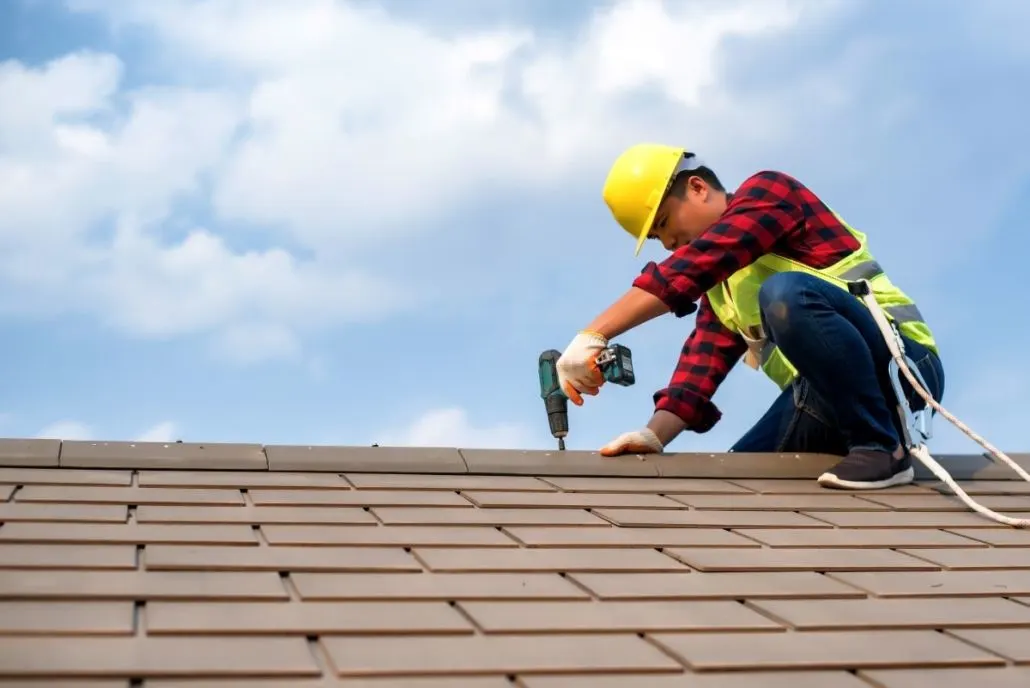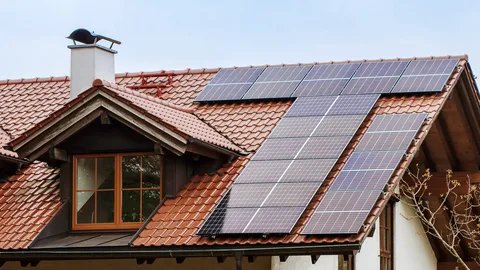
Tampa, Florida is well known for its sunny skies, but residents also experience powerful storms, heavy rain, and hurricane threats that can leave homes vulnerable. Roofs, as the first line of defense, often bear the brunt of this weather. When disaster strikes, emergency roofing services in Tampa, FL, become critical for protecting property, preventing structural damage, and ensuring safety.

Why Emergency Roofing Matters in Tampa
Because Tampa lies on Florida’s Gulf Coast, it faces weather hazards that few U.S. cities encounter with such frequency. Hurricane season runs from June through November, but severe thunderstorms and strong winds are possible year-round. These events can damage roofs in multiple ways:
High Winds: Uplift shingles, crack tiles, or rip off sections of the roof entirely.
Heavy Rainfall: Leads to leaks, water damage, and mold if roofing materials or flashing
are compromised.
Hailstorms: Cause dents, cracks, and loss of granules from shingles, which shortens their
lifespan.
Debris Impact: Fallen branches and flying objects can puncture or break roofing
systems.
Heat & Humidity: Even when skies are clear, constant sun exposure and high humidity
can deteriorate roofing materials over time.
Emergency roofing isn’t only about fixing immediate leaks. It also involves stabilizing the structure, preventing further damage, and ensuring compliance with Florida’s strict building codes, which require roofs to withstand specific wind speeds and storm loads. In fact, Florida codes are among the most rigorous in the country because of the state’s hurricane exposure. Ignoring emergency repairs not only risks safety but also leaves homeowners vulnerable to code violations and denied insurance claims.
Types of Emergency Roofing Services in Tampa
Emergency roofing services can vary depending on the severity of damage. Common services include:
1. Emergency Roof Tarping
o A heavy tarp covers the damaged section to stop water intrusion until permanent
repairs can be made.
o Especially common after hurricanes when contractors are in high demand.
2. Temporary Leak Repairs
o Patching holes, sealing cracks, or replacing a small section of shingles to buy
time.
3. Full Roof Replacement
o If more than 25% of the roof is damaged, Florida law may require replacement
instead of partial repairs.
4. Structural Reinforcement
o Sagging decks or rafters may require immediate stabilization.
5. Insurance Inspection & Documentation
o Contractors often provide photo evidence and reports to help with claims.
Sometimes these services are combined. For example, after a major storm, a contractor may tarp the roof to prevent further damage, stabilize weakened rafters, and then work with the homeowner and insurer to schedule a full replacement. The ability to respond in phases makes emergency roofing highly flexible and tailored to the level of urgency.
What to Do Immediately After Roof Damage
When faced with roofing emergencies, acting quickly reduces risks and costs. Here’s a practical checklist:
1. Stay Safe
o Do not attempt to climb on a wet or storm-damaged roof.
o Stay clear of any areas showing structural sagging.
2. Document Everything
o Take photos and videos of damage inside and outside.
o Note the time, date, and weather conditions for insurance.
3. Prevent Further Damage
o Use buckets to catch leaks indoors.
o If possible, cover smaller areas with a tarp until help arrives.
4. Contact a Licensed Tampa Contractor
o Look for contractors who advertise 24/7 emergency roofing services.
o Verify license and insurance through the Florida Department of Business &
Professional Regulation.
5. Call Your Insurance Company
o Many policies cover storm-related roofing damage, including tarping.
o File a claim as soon as possible to avoid disputes.
Acting fast also protects you legally. Most homeowner insurance policies in Florida require “reasonable steps” to prevent further damage. If you ignore a leak and water spreads through walls and flooring, your claim might be reduced or even denied.
Cost of Emergency Roofing in Tampa
Costs vary depending on materials, roof size, and type of service. Below is a general breakdown:
Service Type Typical Price Range (Tampa, FL)
Emergency tarping $200 – $1,000
Small leak repair (shingles/tiles) $300 – $1,500
Structural reinforcement $1,000 – $5,000
Full roof replacement $7,000 – $15,000+
Factors that affect price:
Material Type: Asphalt shingles are cheaper than tile or metal.
Roof Pitch: Steeper roofs cost more due to safety and labor needs.
Extent of Damage: Larger affected areas increase material and labor costs.
Timing: Urgent, after-hours calls may carry premium rates.
Another factor Tampa homeowners should note is availability of materials after storms. Hurricanes often cause spikes in demand, leading to temporary shortages of shingles, tarps, or tiles. Prices can increase when supply is strained. That’s why proactive maintenance and early material upgrades can reduce costs later.
Roofing Materials and Their Performance in Tampa’s Climate
Choosing durable roofing materials can help homeowners avoid frequent emergencies. Here’s how common materials compare:
Material Performance in Tampa Pros Cons
Asphalt shingles Moderate wind resistance,
vulnerable to UV Affordable, easy to
install Shorter lifespan in Florida
heat
Metal roofing Excellent wind/hail
resistance Long lifespan, energy-
efficient Higher upfront cost
Clay/Concrete tile Durable against heat and
sun Long life, aesthetic
appeal Heavy, may crack in hail
Modified Bitumen /
TPO (flat roofs) Good water resistance
when maintained Suited for
commercial/flat roofs Requires sealing and
monitoring for pooling
water
Homeowners in Tampa often balance cost with durability. While asphalt shingles remain the most popular due to affordability, more residents are investing in metal roofing because of its performance in hurricanes. Tiles, on the other hand, remain a cultural and architectural choice, especially in historic or Mediterranean-style neighborhoods.
Choosing the Right Emergency Roofing Contractor
Not all roofing contractors are the same. When hiring for emergency services in Tampa,
consider:
Licensing: Florida requires roofers to hold proper state licenses.
Insurance: Both liability and worker’s compensation coverage are a must.
24/7 Availability: Storms don’t wait for business hours.
Local Experience: Contractors familiar with Tampa’s codes and hurricane patterns offer
better solutions.
Transparent Estimates: Look for written contracts and detailed cost breakdowns.
Warranty Options: Reputable contractors provide both material and labor warranties.
Checking reviews and asking neighbors for recommendations also helps. Tampa’s community often rallies together after major storms, and word-of-mouth referrals can lead you to contractors with proven track records in emergency response.
Insurance and Emergency Roofing
Homeowners often wonder how insurance comes into play. Here are important points:
Storm-related damage is usually covered, including wind, hail, and fallen trees.
Wear and tear or poor maintenance may not be covered.
Many insurers reimburse tarping costs if documented.
Filing a claim quickly and providing professional inspection reports improves approval
chances.
Florida insurers sometimes require homeowners to use licensed contractors for claim
validity.
It’s also worth noting that in some cases, insurers may send their own adjusters or preferred contractors. Homeowners should still get independent estimates to ensure fairness. Having multiple quotes can protect you from undervalued claims.
Preventing Roof Emergencies in Tampa
While storms are unavoidable, proactive maintenance can reduce risks:
Biannual inspections: Once before hurricane season, once after.
Gutter cleaning: Prevents water buildup and leaks.
Tree trimming: Reduces risk of falling branches.
Replacing weak materials: Old flashing, vent boots, and cracked tiles should be
replaced before storm season.
Upgrading materials: Consider impact-rated shingles or metal roofing for long-term
resilience.
Homeowners who invest in preventive care often spend less on emergency services in the long run. For example, clearing gutters and securing flashing may cost under $200 but can prevent thousands in water damage repairs during a heavy storm.
When Is Damage NOT an Emergency?
Not all roof issues require immediate service. Examples include:
Small cosmetic damage without leaks.
Minor shingle wear visible but not exposing underlayment.
Aging or discoloration without signs of water intrusion.
However, in Florida’s climate, even minor issues can escalate quickly. If in doubt, schedule an inspection.
FAQ
How soon should I have my roof inspected after a storm in Tampa?
It’s best to schedule an inspection within 24–48 hours after a storm. Quick inspections catch hidden damage and support insurance claims.
Does homeowners insurance cover emergency roofing services like tarping or leak repair?
Yes, most policies cover temporary repairs like tarping if storm damage caused the issue. Check your policy for exact details.
What are the signs of roof damage that qualify as an emergency?
Active leaks, sagging roof sections, missing shingles or tiles, and exposed underlayment are considered emergencies.
Can I wait before getting emergency roof repairs done?
Delaying repairs risks mold, interior water damage, and higher costs. Acting fast is safer and often required by insurance.
What types of roofing materials are best for Tampa’s severe weather?
Metal roofing, impact-rated asphalt shingles, and clay or concrete tiles are the most durable choices for Tampa’s climate.
Conclusion
Emergency roofing services in Tampa are not just about quick fixes—they’re about protecting
families, preserving property value, and ensuring compliance with Florida’s demanding building
codes. Understanding the process, from immediate action steps to cost expectations and
insurance claims, prepares homeowners for unexpected events.