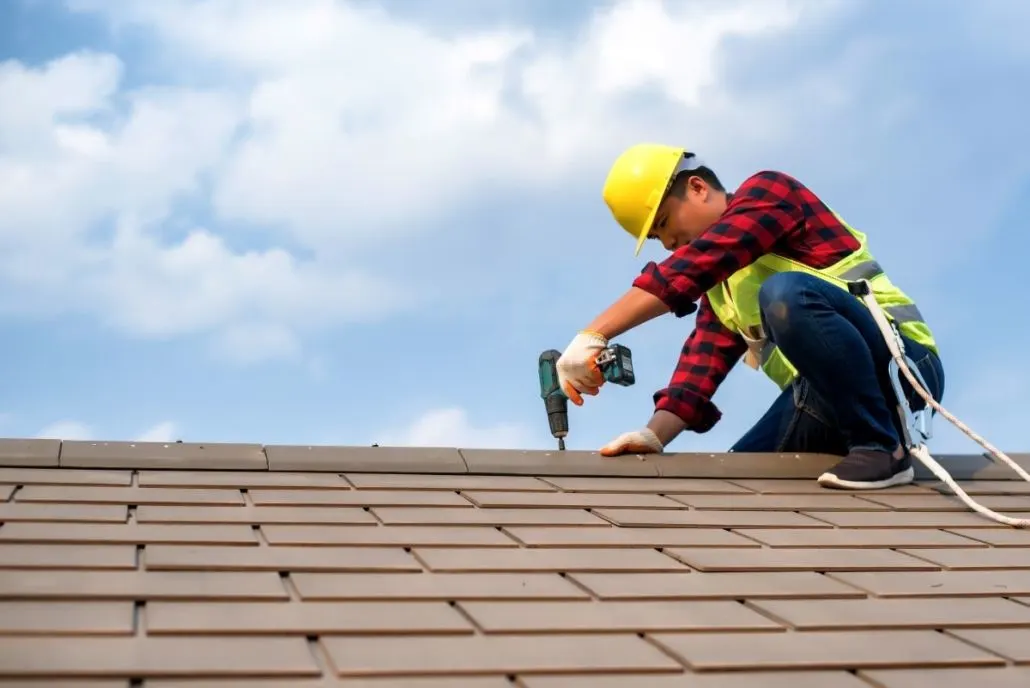
Emergency roofing services are often an unavoidable reality for homeowners in Tampa, FL. Given the city’s unique climate and its vulnerability to hurricanes, tropical storms, heavy rainfall, and high humidity, roofs in Tampa face more wear and tear compared to many other parts of the country. When unexpected damage occurs—whether from a sudden storm or long-term wear—it often requires immediate attention to prevent further property damage, water intrusion, or even safety hazards.
1. Severity and Type of Damage
The extent of damage is perhaps the most direct factor affecting cost.
- Minor issues such as a few missing shingles or a small localized leak can cost a few hundred dollars to fix.
- Moderate damage affecting a larger section of shingles, flashing, or underlayment may run into the thousands.
- Severe damage, such as large portions of the roof being torn off during a hurricane, may require partial or complete replacement, often costing tens of thousands.
Another cost driver is the type of damage:
- Wind damage can cause shingles or tiles to lift.
- Hail damage may crack or break shingles and tiles.
- Water intrusion can seep into decking and insulation, requiring replacement.
- Fallen trees or debris can puncture or collapse roof sections, often requiring structural repairs.
In emergency scenarios, hidden damage is common. For example, water may have seeped into the attic, causing mold growth or weakening rafters. These issues increase costs significantly because they go beyond surface-level repairs.
2. Roofing Material
The type of roofing material you have is a major cost factor. Tampa homes use a variety of roofing materials, each with its own price range:
- Asphalt shingles – most affordable, repairs are cheaper because shingles are widely available.
- Clay or concrete tiles – more expensive, matching tiles during an emergency can be costly.
- Metal roofs – durable and hurricane-resistant but higher material and installation costs.
- Slate roofing – rare and most expensive due to material and labor complexity.
Matching the existing roofing material is often necessary, especially for aesthetic or HOA reasons. If discontinued or hard-to-source materials are required, costs rise because contractors may need to order custom or premium replacements.
3. Roof Size, Slope, and Complexity
- Larger roofs require more material and labor.
- Steeply sloped roofs are harder and more dangerous, increasing labor costs.
- Complex roof designs with dormers, skylights, valleys, or chimneys require additional flashing and custom work.
4. Labor Costs and Contractor Rates
- Local demand: After hurricanes or severe storms, labor rates surge.
- Contractor reputation: Licensed, insured, experienced contractors cost more but deliver better compliance and quality.
- Emergency premiums: Night, weekend, or post-storm emergency calls cost more.
5. Weather, Timing, and Urgency
- Hurricane season (June–November) often brings price spikes.
- Rainy season may require temporary tarping before permanent repairs.
- Urgency of repair impacts cost – flooding = much higher emergency rates.
6. Permits, Codes, and Regulations
- Permits required if more than 25% of roof is repaired within a year.
- Florida codes may require upgrades (hurricane straps, underlayment, etc.).
- Inspections add costs but ensure compliance and insurance coverage.
7. Accessibility and Worksite Conditions
- Multi-story homes need more equipment and safety precautions.
- Limited access or obstructed driveways complicate material delivery.
- Debris (like fallen trees) may need removal before work starts.
8. Material Availability and Supply Chain Issues
- Storms cause shortages of shingles and tarps.
- Global supply chain issues affect metal roofing and specialty tiles.
- Custom orders increase cost and delay repairs.
9. Hidden and Secondary Costs
- Water damage in attics or ceilings
- Mold remediation
- Debris hauling and disposal
- Insurance deductibles and uncovered costs
10. Local Tampa Factors
- High humidity accelerates wear on roofs.
- Salt air corrodes fasteners and metal.
- Frequent storms require stronger codes and durable materials.
- Local demand keeps roofing services at higher prices.
Cost Examples
| Type of Repair | Average Cost (Tampa) | Notes |
|---|---|---|
| Small patch or leak repair | $300 – $1,200 | Asphalt shingles, minor damage |
| Moderate repair (200–500 sq ft) | $600 – $6,000 | Shingles or tiles, includes underlayment |
| Tile roof repair | $1,500 – $10,000+ | Higher due to tile cost & complexity |
| Full section replacement (metal/tile) | $10,000 – $30,000+ | Depends on size & pitch |
How Homeowners Can Manage Costs
- Act quickly to avoid worsening damage.
- Get multiple quotes to compare prices.
- Hire licensed professionals for compliance and warranties.
- Understand insurance deductibles and coverage.
- Consider durable, hurricane-resistant materials.
FAQs
What is an “emergency roof repair” vs. a regular roof repair?
An emergency roof repair is one needed immediately to stop or prevent severe damage (leaks, structural issues) often after storms; regular repair can wait and is scheduled in non-urgent times.
How much does emergency roof repair typically cost in Tampa?
It averages around $1,000–1,100, but costs often range between $463 and $1,600, depending on damage size, materials, and urgency.
Do I need a permit for emergency roofing work in Tampa?
Yes, if repair work exceeds local thresholds (e.g. more than 25% of the roof area within 12 months) or involves structural changes; permits and inspections may be required.
How much more expensive is roofing after a hurricane or big storm?
Prices increase due to surge in demand, emergency response premiums, potential code upgrades, and scarcity of materials; expect a 10–30% or more increase in many cases.
What roofing materials offer the best cost vs longevity in Tampa?
Premium asphalt architectural shingles, concrete tiles, and metal roofs offer good trade-offs: higher upfront cost but much longer lifespan and resistance to storm/humidity damage.
Conclusion
The cost of emergency roofing services in Tampa, FL depends on a wide range of factors— damage severity, roofing material, roof design, labor, regulations, and even the season when the repair is needed. While average emergency repairs may range from $500 to $1,600, more extensive or storm-related damages can easily climb into the tens of thousands.