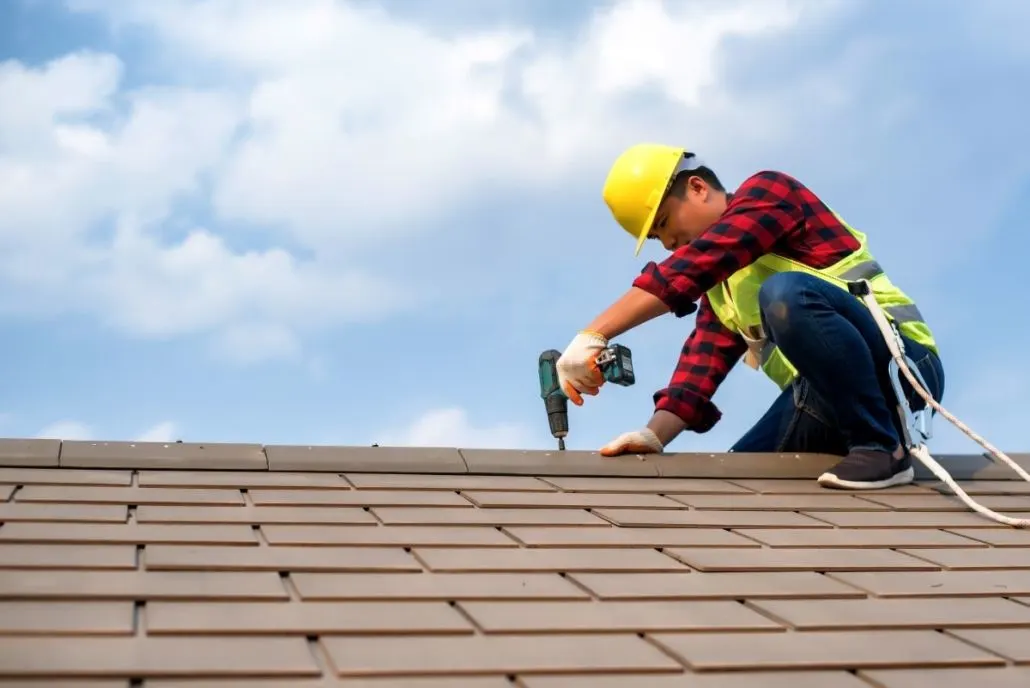
Your roof is your home’s first line of defense against the unpredictable Florida weather. In Tampa, where sudden storms, heavy rain, and strong winds are common, roofing emergencies can happen without warning. Knowing how to diagnose emergency roofing needs quickly can save you from costly damages and ensure your family’s safety.
Why Diagnosing Roof Emergencies Early Matters
Early diagnosis is not just about avoiding costly repairs—it’s about protecting your entire home. Water intrusion, structural weaknesses, and mold growth can develop within hours of a roofing failure. The faster you identify an emergency, the quicker you can act to minimize risks and expenses.
Signs of a Roofing Emergency
- Active Leaks: Water dripping from ceilings or walls indicates immediate roof damage.
- Missing or Damaged Shingles: High winds often strip shingles, leaving your roof vulnerable.
- Sagging Roof: This is a red flag for structural compromise and requires urgent attention.
- Debris Impact: Fallen tree branches or flying storm debris can puncture roofing materials.
- Interior Stains: Yellow or brown stains on ceilings suggest hidden leaks.
Steps to Diagnose Emergency Roofing Needs
- Conduct a Visual Inspection: Safely examine your roof from the ground for missing shingles, sagging areas, or visible damage.
- Check Your Attic: Look for signs of water intrusion, wet insulation, or mold growth.
- Inspect Ceilings and Walls: Water stains or bubbling paint indicate ongoing leaks.
- Document the Damage: Take photos or videos for insurance claims and professional assessments.
- Call a Professional: Contact a licensed roofing contractor immediately for emergency service.
Common Case Scenarios
Here are some real-world examples of how roofing emergencies play out in Tampa:
- Hurricane Aftermath: A family in South Tampa experienced massive leaks after shingles were ripped off during a storm. Immediate tarping and professional repair prevented thousands in water damage.
- Fallen Tree Branch: In Carrollwood, a large oak limb punctured a roof, exposing the attic. Quick action by emergency roofers prevented structural collapse.
- Sudden Ceiling Collapse: Neglected roof leaks in Brandon led to a living room ceiling collapse. Early inspection could have avoided the disaster.
Frequently Asked Questions
What are the most common roofing emergencies in Tampa?
The most common include storm damage, missing shingles, roof leaks, and fallen debris impacts.
How quickly should I call a roofer after noticing a leak?
Immediately. Even small leaks can escalate within hours, leading to structural and electrical hazards.
Can I temporarily fix a roof emergency myself?
You may use tarps or sealants for temporary protection, but professional repairs are crucial for long-term safety.
Will insurance cover my emergency roof repair?
Most policies cover sudden damages from storms or accidents. Document everything and contact your insurer promptly.
Final Thoughts
Diagnosing emergency roofing needs in Tampa requires vigilance, speed, and the right knowledge. By spotting early warning signs, documenting damages, and contacting professionals quickly, you can protect your home from severe damage. Don’t wait until a minor issue becomes a crisis—stay prepared and act fast for reliable peace of mind.